Looking to grow your business in the heart of America? B2B Omaha is emerging as a powerhouse for enterprise growth, innovation, and strategic networking. This guide dives deep into how companies are leveraging the unique advantages of the Omaha ecosystem to scale smarter and faster.




Understanding the B2B Omaha Ecosystem

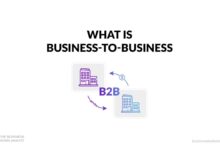
Omaha, Nebraska, may not be the first city that comes to mind when thinking about major B2B hubs, but it’s rapidly gaining recognition as a strategic center for business-to-business operations. The term b2b omaha refers to the growing network of companies, service providers, and entrepreneurs engaging in commercial transactions within this Midwestern city. Unlike coastal tech centers, Omaha offers a lower cost of living, a highly skilled workforce, and strong community support for startups and enterprise growth.
Historical Growth of B2B in Omaha
Omaha’s B2B landscape has evolved significantly over the past two decades. Once dominated by insurance and agriculture, the city has diversified into fintech, logistics, healthcare IT, and digital services. Companies like Mutual of Omaha and Union Pacific have long anchored the local economy, but a new wave of tech-driven B2B firms is reshaping the scene.
- 2000–2010: Rise of insurance and financial services as primary B2B sectors.
- 2010–2020: Expansion into logistics and supply chain technology.
- 2020–Present: Surge in SaaS, cybersecurity, and cloud-based B2B platforms.
This evolution reflects a broader national trend of decentralizing business innovation beyond Silicon Valley and New York.
Key Industries Driving B2B Omaha
The success of b2b omaha can be attributed to several dominant industries that form the backbone of its commercial activity:
Fintech and Financial Services: With legacy institutions like First National Bank of Omaha and new fintech startups, Omaha is a hub for payment processing, digital banking solutions, and B2B financial software.Healthcare Technology: Companies such as Appriss Health and WellAware are developing B2B platforms for patient engagement, data analytics, and telehealth integration.Logistics and Supply Chain: Given its central U.S.location, Omaha is ideal for distribution.
.Companies like Werner Enterprises and Crete Carrier use B2B models to manage freight, tracking, and fleet management services.Agribusiness and Food Tech: Nebraska’s agricultural roots fuel B2B innovation in farm-to-business supply chains, precision agriculture tools, and food safety compliance software.These sectors benefit from local talent pipelines, university partnerships, and state incentives for business expansion..
Why Omaha Is a Hidden Gem for B2B Growth
One of the most compelling reasons to explore b2b omaha is the city’s underrated potential. Compared to high-cost markets, Omaha offers:
- Lower operational costs (office space, salaries, utilities).
- High employee retention rates due to quality of life.
- Strong support from local government and economic development agencies like Greater Omaha Chamber.
- Access to regional markets within a one-day truck radius of 70% of the U.S. population.
“Omaha isn’t just a place to start a business—it’s a place where businesses can scale sustainably without the overhead of coastal cities.” — Sarah Thompson, CEO of MidWest Tech Partners
B2B Omaha Networking: Building Strategic Partnerships
Success in the b2b omaha space often hinges on relationship-building. Unlike transactional B2C models, B2B relies on trust, long-term contracts, and collaborative innovation. Omaha’s tight-knit business community makes networking both accessible and effective.
Top Networking Events in Omaha for B2B Professionals
Omaha hosts several annual and monthly events designed to connect B2B leaders, entrepreneurs, and service providers:
- Big Omaha: A premier tech and innovation conference that brings together entrepreneurs, investors, and B2B solution providers. Learn more at BigOmaha.com.
- Omaha Business Expo: Organized by the Greater Omaha Chamber, this event features B2B vendors, consultants, and technology firms showcasing their services.
- Tech Cocktail Omaha: A startup-focused mixer that encourages cross-industry collaboration and partnership development.
- Fintech Week Omaha: A specialized event highlighting financial technology companies and their B2B offerings.
These gatherings are ideal for lead generation, brand visibility, and forming strategic alliances.
Leveraging Local Business Organizations
Membership in professional organizations can significantly enhance your b2b omaha presence. Key groups include:
- Greater Omaha Chamber of Commerce: Offers B2B matchmaking, advocacy, and access to city-wide initiatives.
- Omaha Public Power District (OPPD) Business Network: Connects energy-dependent B2B firms with sustainability programs and cost-saving opportunities.
- Women in Tech Omaha: A growing community supporting female-led B2B tech ventures through mentorship and collaboration.
- Startup Collective: A co-working and networking space that fosters B2B innovation through shared resources.
Active participation in these groups increases credibility and opens doors to exclusive opportunities.
Digital Networking and Online Communities
While in-person events are valuable, digital platforms are equally important for b2b omaha professionals. LinkedIn groups like “Omaha Entrepreneurs Network” and “Nebraska Tech Alliance” allow for continuous engagement. Additionally, Slack communities such as “Omaha Startups” and “Midwest SaaS Founders” provide real-time collaboration and problem-solving forums.
- Join local subreddits like r/OmahaBusiness for informal discussions.
- Participate in virtual pitch events hosted by Invest Nebraska.
- Use Meetup.com to find niche B2B gatherings, from cybersecurity roundtables to HR tech forums.
Digital networking ensures you stay connected even when physical attendance isn’t possible.
B2B Omaha Marketing: Reaching the Right Audience
Marketing in the b2b omaha space requires a targeted, value-driven approach. Unlike B2C, where emotion often drives decisions, B2B buyers prioritize ROI, efficiency, and long-term reliability.
Content Marketing Strategies for B2B Omaha Companies
Effective content builds authority and nurtures leads over time. Successful b2b omaha firms use:
- Whitepapers and case studies showcasing local success stories (e.g., “How a Omaha-Based SaaS Reduced Logistics Costs by 30%”).
- Blog posts addressing regional pain points, such as “Cold Chain Logistics Challenges in the Midwest.”
- Webinars featuring industry experts from Omaha-based firms.
- Video testimonials from clients in Nebraska, Iowa, and surrounding states.
Content should be optimized for search engines with keywords like “B2B services in Omaha” or “Omaha logistics software” to attract organic traffic.
Social Media and LinkedIn Optimization
LinkedIn is the most powerful platform for b2b omaha marketing. Companies should:
- Optimize company pages with clear value propositions and local keywords.
- Post regularly about team achievements, client wins, and industry insights.
- Engage with local influencers and participate in discussions.
- Run targeted ads focusing on job titles (e.g., CFO, Operations Manager) within a 200-mile radius.
Other platforms like Twitter (X) and Facebook can support brand awareness, but LinkedIn remains the primary channel for lead generation.
Email Campaigns and Lead Nurturing
Email marketing is still one of the highest ROI channels for b2b omaha firms. Best practices include:
- Segmenting lists by industry (e.g., healthcare, logistics, finance).
- Using personalized subject lines referencing Omaha or regional challenges.
- Automating drip campaigns that deliver educational content over 4–6 weeks.
- Tracking open rates and click-throughs to refine messaging.
Tools like HubSpot and Mailchimp integrate well with CRM systems to streamline outreach.
Innovation and Technology in B2B Omaha
Technology is the engine behind modern b2b omaha growth. From AI-driven analytics to cloud-based collaboration tools, Omaha companies are adopting cutting-edge solutions to stay competitive.
Adoption of SaaS and Cloud Platforms
Many b2b omaha firms are transitioning from on-premise software to SaaS models. This shift offers:
- Lower upfront costs and scalable pricing.
- Remote access for distributed teams.
- Automatic updates and enhanced security.
Local examples include Omaha-based Buildertrend, a construction management SaaS used by contractors nationwide. Visit Buildertrend.com to see how a homegrown Omaha company scaled globally.
AI and Automation in B2B Operations
Artificial intelligence is no longer a luxury—it’s a necessity for efficient B2B operations. Omaha companies are using AI for:
- Customer service chatbots that handle routine inquiries.
- Predictive analytics for sales forecasting and inventory management.
- Automated invoicing and accounts receivable processing.
- HR tools that screen resumes and schedule interviews.
These technologies reduce human error, increase productivity, and free up staff for higher-value tasks.
Cybersecurity and Data Protection
As B2B transactions move online, cybersecurity becomes critical. Omaha firms must protect sensitive client data, especially in finance and healthcare. Key measures include:
- Implementing multi-factor authentication (MFA).
- Conducting regular security audits.
- Training employees on phishing and social engineering risks.
- Partnering with local cybersecurity firms like BlueFlame Cybersecurity.
“A single data breach can destroy years of trust. In B2B, security isn’t optional—it’s your reputation.” — Mark Reynolds, CISO at Omaha DataShield
Workforce Development and Talent Acquisition in B2B Omaha
One of the biggest advantages of b2b omaha is access to a loyal, skilled workforce. However, attracting and retaining top talent requires strategic planning.
Local Universities and Talent Pipelines
Omaha benefits from strong academic institutions that feed into the B2B sector:
- University of Nebraska at Omaha (UNO): Offers programs in information technology, business analytics, and supply chain management.
- Creighton University: Known for its business school and healthcare administration programs.
- Metropolitan Community College (MCC): Provides technical training in IT, cybersecurity, and logistics.
Companies often partner with these schools for internships, co-op programs, and recruitment events.
Remote Work and Hybrid Models
While Omaha has a strong local talent pool, many b2b omaha firms now embrace remote work to access national talent. Hybrid models allow companies to:
- Reduce office space costs.
- Attract specialists who may not relocate.
- Maintain team cohesion through regular in-person meetups.
However, clear communication protocols and digital collaboration tools (e.g., Slack, Zoom, Asana) are essential for success.
Employee Retention Strategies
Omaha’s low turnover rate is a competitive advantage. To maintain it, B2B companies focus on:
- Competitive salaries and benefits (even in a lower-cost market).
- Professional development opportunities (certifications, conferences).
- Flexible work arrangements and wellness programs.
- Strong company culture with community involvement.
Employees in Omaha value work-life balance and meaningful work, making culture a key retention tool.
Government Support and Incentives for B2B Omaha
The growth of b2b omaha is supported by proactive government policies and financial incentives designed to attract and retain businesses.
State and Local Tax Incentives
Nebraska offers several programs to reduce the financial burden on B2B companies:
- High Performance Work Team (HPWT) Tax Credit: Rewards companies that implement employee involvement programs.
- Research and Development (R&D) Tax Credit: Encourages innovation in tech and manufacturing sectors.
- Urban Revitalization Tax Credit: Incentivizes development in designated areas of Omaha.
- Job Creation Tax Credit: Provides refunds based on new full-time jobs created.
These programs can significantly lower operational costs and improve cash flow.
Grants and Funding Opportunities
B2B startups and scaling firms can access non-dilutive funding through:
- Invest Nebraska: A state-backed fund supporting early-stage tech companies. Learn more at InvestNebraska.com.
- Nebraska Enterprise Fund: Offers loans and guarantees for small and medium-sized businesses.
- Federal SBIR/STTR Grants: Available to Omaha firms in tech, biotech, and advanced manufacturing.
These resources reduce reliance on venture capital and allow for organic growth.
Regulatory Environment and Business-Friendly Policies
Nebraska is known for its stable regulatory climate. Compared to other states, it has:
- Low litigation risk for businesses.
- Streamlined licensing processes.
- Supportive labor laws that balance worker rights with employer flexibility.
The Secretary of State’s office offers online registration and compliance tools, making it easy to start and manage a B2B company in Omaha.
Future Trends Shaping B2B Omaha
The b2b omaha landscape is not static. Emerging trends will define the next decade of growth and innovation.
Sustainability and Green B2B Initiatives
Environmental responsibility is becoming a key differentiator. Omaha companies are adopting:
- Electric vehicle fleets for logistics.
- Energy-efficient data centers.
- Sustainable packaging solutions for B2B shipments.
- Carbon footprint tracking software.
Consumers and corporate clients increasingly favor partners with strong ESG (Environmental, Social, Governance) practices.
Expansion of the Gig Economy in B2B Services
Freelancers and independent contractors are playing a larger role in b2b omaha. Platforms like Upwork and Toptal allow firms to hire specialized talent for short-term projects in:
- Software development
- Marketing strategy
- Financial consulting
- Legal compliance
This model offers flexibility and cost-efficiency, especially for startups and mid-sized firms.
Smart City Integration and IoT
Omaha is investing in smart city infrastructure, which creates opportunities for B2B tech firms. Applications include:
- IoT sensors for traffic and parking management.
- Smart grids for energy distribution.
- Connected public safety systems.
- Data analytics platforms for city planning.
Companies that develop or integrate these technologies will find growing demand from municipal and private sector clients.
What is B2B Omaha?
B2B Omaha refers to the network of business-to-business companies, services, and professionals operating in Omaha, Nebraska. It encompasses industries like fintech, logistics, healthcare IT, and agribusiness that serve other businesses rather than individual consumers.
Why is Omaha a good location for B2B companies?
Omaha offers a low cost of doing business, a skilled workforce, strong community support, and a central U.S. location ideal for distribution. Its growing tech ecosystem and access to talent from local universities make it an attractive hub for B2B innovation.
How can I network in the B2B Omaha community?
You can network through events like Big Omaha, the Omaha Business Expo, and Tech Cocktail. Joining organizations like the Greater Omaha Chamber and participating in online communities such as LinkedIn groups and Slack channels also helps build connections.
Are there funding opportunities for B2B startups in Omaha?
Yes, B2B startups in Omaha can access funding through Invest Nebraska, the Nebraska Enterprise Fund, and federal grant programs like SBIR/STTR. Tax incentives and R&D credits also support early-stage growth.
What industries are thriving in B2B Omaha?
Thriving industries include fintech, logistics and supply chain technology, healthcare IT, agribusiness, and SaaS platforms. These sectors benefit from Omaha’s infrastructure, talent pool, and supportive business environment.
From its roots in traditional industries to its rise as a tech-savvy B2B hub, Omaha is proving that innovation doesn’t have to come from the coasts. The b2b omaha ecosystem thrives on collaboration, affordability, and forward-thinking strategies. Whether you’re launching a startup, expanding operations, or seeking partnerships, Omaha offers a fertile ground for sustainable growth. By leveraging local networks, embracing technology, and tapping into available resources, businesses can position themselves for long-term success in this dynamic market. The future of B2B is not just in major metros—it’s also in the heartland, and Omaha is leading the charge.
Further Reading: