Welcome to the ultimate guide on B2B—where business meets opportunity, strategy meets growth, and relationships drive revenue. If you’re looking to dominate the B2B landscape, you’re in the right place.


Understanding the B2B Landscape

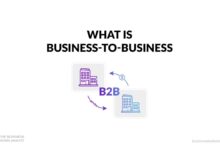
The term B2B, or business-to-business, refers to transactions between companies rather than between a company and individual consumers (B2C). This model powers industries from manufacturing to software, forming the backbone of global commerce. Unlike B2C, B2B transactions are typically larger, more complex, and involve longer sales cycles.
What Exactly Is B2B?
B2B occurs when one business provides products or services to another. For example, a software company selling CRM tools to other enterprises, or a raw material supplier delivering components to a manufacturer. These relationships are built on trust, value, and long-term contracts.
- B2B focuses on solving business problems, not consumer desires.
- Decision-making involves multiple stakeholders.
- Purchases are rational, data-driven, and often require ROI justification.
“B2B is not just about selling; it’s about solving problems at scale.” — Forbes
Key Differences Between B2B and B2C
While both models involve selling, the approach, messaging, and customer journey differ significantly. In B2B, the buyer is often a team, not an individual, and the sales process is consultative.
- Target Audience: B2B targets professionals; B2C targets end-users.
- Sales Cycle: B2B cycles are longer, sometimes lasting months or years.
- Marketing Tone: B2B uses formal, value-driven language; B2C leans emotional and impulsive.
Understanding these differences is crucial for crafting effective B2B strategies. For deeper insights, check out Investopedia’s breakdown of B2B.
The Evolution of B2B in the Digital Age
The digital revolution has transformed how B2B companies operate. What was once reliant on cold calls and trade shows is now driven by data, automation, and digital platforms. Today’s B2B buyers are more informed, independent, and expect seamless experiences.
How Technology Is Reshaping B2B
From AI-powered sales tools to cloud-based collaboration platforms, technology has streamlined B2B operations. CRM systems like Salesforce and HubSpot enable businesses to track leads, personalize outreach, and forecast sales with unprecedented accuracy.
- AI chatbots now handle initial customer inquiries 24/7.
- Data analytics help identify high-value prospects and optimize pricing.
- Virtual meetings have replaced in-person demos, reducing time-to-close.
According to McKinsey, 70% of B2B buyers prefer digital self-serve options, highlighting the shift toward autonomy.
The Rise of E-Commerce in B2B
Just as consumers shop online, B2B buyers now expect e-commerce functionality. Platforms like Alibaba and Amazon Business have made it easier than ever for companies to discover, compare, and purchase products digitally.
- B2B e-commerce sales are projected to reach $20.9 trillion by 2027 (Statista).
- Custom pricing, bulk ordering, and account-based dashboards are now standard.
- Mobile optimization is critical, as 60% of B2B searches happen on smartphones.
“The future of B2B is digital-first, customer-centric, and frictionless.” — Gartner
B2B Marketing: Strategies That Deliver Results
Effective B2B marketing isn’t about flashy ads—it’s about building credibility, nurturing leads, and positioning your brand as a trusted advisor. The best strategies combine content, data, and relationship-building.
Content Marketing for B2B Audiences
Content is king in B2B. Decision-makers seek in-depth information before committing. Whitepapers, case studies, webinars, and industry reports are highly effective.
- Create content that addresses pain points (e.g., “How to Reduce Operational Costs by 30%”).
- Use gated content to capture leads and build email lists.
- Repurpose long-form content into blogs, infographics, and social media snippets.
For example, Campaign Monitor shows that B2B email marketing generates $44 for every $1 spent—proof of its ROI.
Leveraging LinkedIn for B2B Lead Generation
LinkedIn is the #1 platform for B2B networking. With over 900 million users, it’s where professionals research vendors, connect with peers, and make purchasing decisions.
- Optimize your company page with clear value propositions.
- Use LinkedIn Ads to target decision-makers by job title, industry, and company size.
- Engage in groups and publish thought leadership articles to boost visibility.
A well-executed LinkedIn strategy can increase lead quality and shorten sales cycles significantly.
The B2B Sales Funnel: From Lead to Close
The B2B sales funnel is longer and more complex than its B2C counterpart. It typically includes awareness, consideration, decision, and retention stages. Each requires tailored messaging and nurturing.
Top of the Funnel: Attracting the Right Leads
At this stage, prospects are identifying a problem. Your goal is to attract them with educational content and establish authority.
- Use SEO-optimized blog posts to rank for industry keywords.
- Offer free tools or assessments (e.g., ROI calculators).
- Run targeted ads to drive traffic to landing pages.
For instance, a SaaS company might publish a guide titled “10 Signs Your CRM Is Costing You Sales” to attract frustrated sales managers.
Middle of the Funnel: Nurturing Prospects
Now that leads are aware of their problem, they’re evaluating solutions. This is where lead nurturing shines.
- Send personalized email sequences based on user behavior.
- Host live demos or webinars to showcase product value.
- Share customer success stories to build trust.
Marketing automation tools like Marketo or Pardot can help scale this process without sacrificing personalization.
Bottom of the Funnel: Closing the Deal
At this stage, prospects are ready to buy—but they may need a final push. Provide clear pricing, contracts, and support options.
- Offer free trials or pilot programs.
- Provide detailed proposals with ROI projections.
- Assign a dedicated account manager for high-value deals.
“In B2B, the sale doesn’t end at the contract—it begins.” — Harvard Business Review
B2B Customer Relationship Management (CRM)
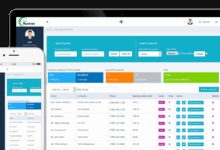
Managing B2B relationships is critical for retention and upselling. A robust CRM system centralizes customer data, tracks interactions, and identifies growth opportunities.
Choosing the Right CRM for B2B
Not all CRMs are created equal. B2B companies need platforms that handle complex sales pipelines, team collaboration, and integration with other tools.
- Salesforce: Best for large enterprises with complex workflows.
- HubSpot: Ideal for mid-sized companies seeking user-friendly automation.
- Zoho CRM: Cost-effective for startups and small businesses.
Look for features like lead scoring, pipeline visualization, and AI-driven insights.
Maximizing CRM for B2B Success
A CRM is only as good as how it’s used. Train your team to log every interaction, set follow-up reminders, and segment customers by industry or behavior.
- Use CRM data to personalize outreach and anticipate needs.
- Identify at-risk accounts for proactive retention efforts.
- Integrate with email, calendar, and customer support tools for seamless workflows.
According to Nucleus Research, every dollar invested in CRM returns $8.71 on average.
B2B Pricing Strategies That Work
Pricing in B2B is more than just setting a number—it’s about value perception, negotiation, and scalability. The right strategy can boost margins and deter competitors.
Value-Based Pricing in B2B
Instead of pricing based on cost or competition, value-based pricing ties the price to the perceived value delivered to the customer.
- Calculate the ROI your product provides (e.g., time saved, revenue increased).
- Use case studies to justify premium pricing.
- Offer tiered plans that scale with customer needs.
For example, a cybersecurity firm might charge based on the number of endpoints protected and the risk level mitigated.
Negotiation Tactics for B2B Deals
B2B sales often involve negotiation. Being prepared can mean the difference between profit and loss.
- Anchor high: Start with a premium offer to create room for compromise.
- Bundle services to increase perceived value.
- Use trade-offs (e.g., longer contract for lower price) to close deals.
“The best negotiators don’t win by pushing—they win by listening.” — Chris Voss, Former FBI Negotiator
B2B Analytics: Measuring What Matters
In B2B, data drives decisions. From lead conversion rates to customer lifetime value, analytics help you optimize every stage of the funnel.
Key B2B Metrics to Track
Not all metrics are created equal. Focus on those that reflect real business health.
- Customer Acquisition Cost (CAC): How much it costs to win a new client.
- Customer Lifetime Value (CLTV): Total revenue expected from a customer.
- Churn Rate: Percentage of customers who stop using your service.
- Lead-to-Customer Conversion Rate: Efficiency of your sales process.
Monitoring these helps identify bottlenecks and opportunities.
Using Data to Optimize B2B Campaigns
Data isn’t just for reporting—it’s for action. Use A/B testing, cohort analysis, and funnel drop-off reports to refine your approach.
- Test email subject lines to improve open rates.
- Analyze which content drives the most demo requests.
- Identify which customer segments have the highest CLTV.
Tools like Google Analytics, Mixpanel, and Tableau empower B2B teams to make data-driven decisions.
The Future of B2B: Trends to Watch
The B2B landscape is evolving rapidly. Staying ahead requires anticipating trends and adapting quickly.
AI and Automation in B2B
Artificial intelligence is no longer a luxury—it’s a necessity. From predictive lead scoring to chatbots that qualify prospects, AI is transforming B2B operations.
- AI can analyze customer behavior to recommend next-best actions.
- Automated workflows reduce manual tasks and improve response times.
- Natural language processing enables smarter customer support.
Companies that embrace AI early gain a significant competitive edge.
Sustainability and Ethical Sourcing in B2B
More B2B buyers are prioritizing sustainability. Suppliers with eco-friendly practices and transparent supply chains are gaining favor.
- Highlight carbon footprint reductions in your marketing.
- Obtain certifications like ISO 14001 or B Corp.
- Partner with green logistics providers.
A Deloitte study found that 82% of B2B decision-makers consider sustainability when choosing vendors.
What is B2B?
B2B, or business-to-business, refers to transactions where one company sells products or services to another. It’s common in industries like manufacturing, software, and wholesale distribution.
How is B2B different from B2C?
B2B involves longer sales cycles, multiple decision-makers, and rational, value-driven purchases, while B2C focuses on individual consumers with shorter, emotion-driven buying journeys.
What are the best B2B marketing strategies?
Top strategies include content marketing, LinkedIn outreach, email nurturing, SEO, and leveraging case studies to build credibility and trust.
What CRM is best for B2B companies?
Salesforce, HubSpot, and Zoho CRM are among the most popular, depending on company size and complexity. Key features include pipeline management, automation, and integration capabilities.
How can B2B companies use AI?
B2B companies use AI for lead scoring, chatbots, predictive analytics, personalized marketing, and automating repetitive sales tasks to improve efficiency and accuracy.
Mastering B2B requires a blend of strategy, technology, and relationship-building. From understanding the core principles to leveraging cutting-edge tools, the path to success is clear. Focus on delivering value, nurturing trust, and adapting to change. The future of B2B belongs to those who innovate, listen, and execute with precision.
Further Reading: