When it comes to dominating the global sportswear industry, few names shine as brightly as adidas. But behind its retail fame lies a powerhouse B2B engine driving partnerships, innovation, and supply chain excellence. Let’s dive into how b2b adidas is reshaping the business of sport.




Understanding the b2b adidas Ecosystem

The term b2b adidas refers to the business-to-business operations that underpin the German sportswear giant’s global influence. Unlike direct-to-consumer (DTC) models, b2b adidas focuses on partnerships with retailers, distributors, wholesalers, and institutional clients such as sports teams, gyms, and corporate wellness programs. This segment is crucial for scaling reach and maintaining brand presence across diverse markets.
Core Components of b2b adidas Operations
The b2b adidas model thrives on structured collaboration. Key components include wholesale distribution, co-branded product development, licensing agreements, and digital B2B platforms that streamline ordering and inventory management for partners.
- Wholesale partnerships with major retailers like Foot Locker and JD Sports
- Licensing deals with third-party manufacturers for specific product lines
- Digital B2B portals for seamless order processing and logistics tracking
How b2b adidas Differs from B2C
While B2C (business-to-consumer) focuses on emotional branding and individual customer experiences, b2b adidas emphasizes efficiency, volume, and long-term contractual relationships. The sales cycle is longer, decision-making involves multiple stakeholders, and product customization is often required to meet partner specifications.
“B2B isn’t just about selling more units—it’s about building ecosystems where adidas thrives through strategic alliances.” — Industry Analyst, Sportswear Intelligence Report 2023
Key b2b adidas Partnerships and Alliances
One of the defining strengths of b2b adidas is its ability to forge high-impact partnerships. These alliances extend beyond simple supplier-retailer dynamics, evolving into collaborative ventures that drive innovation and market expansion.
Major Retailer Collaborations
Adidas maintains deep relationships with global retail giants. For instance, its partnership with Foot Locker includes exclusive product drops and co-marketing campaigns. These collaborations allow adidas to maintain premium positioning while ensuring wide distribution.
- Exclusive sneaker releases through select partners
- Joint marketing initiatives to boost brand visibility
- Data-sharing agreements to optimize inventory and demand forecasting
Sports Organizations and Team Sponsorships
From FIFA to the NBA, adidas sponsors major sports leagues and national teams. These aren’t just branding exercises—they are core b2b adidas contracts involving customized apparel, performance gear, and long-term supply agreements. For example, adidas supplies kits for over 100 football clubs worldwide, including Real Madrid and Manchester United.
These deals often include technology integration, such as moisture-wicking fabrics and smart textiles developed in collaboration with partner teams.
Innovation in b2b adidas Supply Chain Management
The backbone of any successful B2B operation is a resilient, agile supply chain. b2b adidas has invested heavily in digital transformation to enhance transparency, reduce lead times, and improve sustainability across its global logistics network.
Smart Factories and Speedfactories
Adidas pioneered the concept of Speedfactory—automated manufacturing units designed to produce shoes closer to consumer markets. Although the original Speedfactory initiative was scaled back, its legacy lives on in localized, tech-driven production hubs that serve B2B clients with faster turnaround times.
- Reduced production time from months to weeks
- Greater flexibility for custom orders from institutional partners
- Integration of AI and robotics in material cutting and assembly
Digital Inventory and Order Management Systems
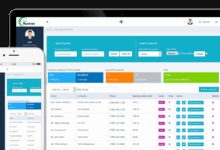
Adidas offers its B2B partners access to advanced digital platforms like the adidas B2B Portal, enabling real-time inventory tracking, automated reordering, and analytics dashboards. This system enhances operational efficiency for retailers and distributors alike.
“The digital B2B platform reduced our order processing time by 40% and minimized stockouts.” — Retail Partner, European Sports Chain
Marketing and Branding Strategies in b2b adidas
While B2B may seem less glamorous than consumer marketing, b2b adidas employs sophisticated branding strategies to maintain its premium image and strengthen partner loyalty.
Co-Branding and Exclusive Product Lines
Adidas frequently collaborates with B2B partners to create exclusive product lines. For example, the partnership with Yeezy (prior to 2022) involved complex B2B licensing and distribution agreements. Similarly, collaborations with designers like Stella McCartney or retailers like Zalando result in limited-edition collections that drive buzz and exclusivity.
- Co-branded apparel and footwear lines
- Time-limited releases to create urgency
- Joint advertising campaigns across digital and physical channels
Content and Data-Driven Engagement
Adidas leverages consumer data collected through its DTC channels to inform B2B partners about trends, preferences, and regional demand patterns. This data-sharing model strengthens trust and enables partners to make smarter purchasing decisions.
Additionally, adidas provides marketing kits, social media assets, and training modules to help retailers promote products effectively.
Sustainability and Ethical Practices in b2b adidas
Sustainability is no longer optional—it’s a business imperative. b2b adidas has integrated eco-conscious practices into its operations, appealing to environmentally aware partners and consumers alike.
Use of Recycled Materials and Eco-Friendly Production
Adidas has committed to using at least 90% recycled polyester in all products by 2025. Its Parley for the Oceans collaboration turns ocean plastic into high-performance sportswear, which is then distributed through B2B channels.
- Over 30 million pairs of Parley shoes produced as of 2023
- Partners receive sustainability certifications and marketing support
- Transparent supply chain reporting via blockchain pilots
Carbon Neutrality and Green Logistics
Adidas aims to achieve net-zero emissions by 2050. As part of this goal, the company is optimizing its logistics network, using electric delivery vehicles, and partnering with green-certified warehouses. B2B partners are encouraged to align with these goals through incentive programs and joint sustainability reporting.
“Sustainability is a shared journey. Our B2B partners are critical allies in reducing the industry’s environmental footprint.” — Maria Liu, Head of Sustainability, adidas Group
Technology and Digital Transformation in b2b adidas
Digital innovation is at the heart of b2b adidas’s evolution. From AI-powered forecasting to blockchain-based authentication, technology is redefining how adidas engages with its business clients.
AI and Predictive Analytics for Demand Planning
Adidas uses machine learning algorithms to analyze sales data, weather patterns, social media trends, and even athlete performance metrics to predict demand. This allows B2B partners to optimize inventory levels and reduce overstocking.
- AI-driven sales forecasts updated in real time
- Automated replenishment suggestions for retail partners
- Integration with ERP systems like SAP for seamless data flow
Blockchain for Product Authenticity and Traceability
To combat counterfeiting and enhance transparency, adidas has piloted blockchain technology to track products from factory to customer. Each item receives a digital passport, accessible via QR code, detailing its origin, materials, and journey.
This not only builds consumer trust but also strengthens B2B relationships by ensuring authenticity and compliance with ethical sourcing standards.
Global Expansion and Emerging Markets in b2b adidas
While adidas has a strong presence in North America and Europe, its b2b adidas strategy increasingly targets emerging markets in Asia, Africa, and Latin America.
Strategic Entry into Southeast Asia
In countries like Indonesia, Vietnam, and India, adidas is partnering with local distributors and e-commerce platforms such as Lazada and Flipkart to expand its B2B footprint. These partnerships include localized product designs, regional marketing campaigns, and tailored pricing models.
- Customized footwear for tropical climates
- Collaborations with local athletes and influencers
- Training programs for retail staff in partner stores
Growth in African and Middle Eastern Markets
Adidas is investing in distribution hubs in South Africa, UAE, and Egypt to serve growing middle-class populations. The company works with regional sports federations and government-backed wellness initiatives to position its products as symbols of modernity and performance.
These efforts are supported by digital B2B tools that allow partners in remote areas to place orders and track shipments efficiently.
Challenges and Future Outlook for b2b adidas
Despite its strengths, b2b adidas faces several challenges, including supply chain volatility, rising competition from Nike and Puma, and shifting consumer expectations.
Supply Chain Disruptions and Geopolitical Risks
Recent global events—such as the pandemic, shipping container shortages, and geopolitical tensions—have exposed vulnerabilities in global supply chains. Adidas has responded by diversifying manufacturing locations and increasing inventory buffers for key B2B partners.
- Diversification of suppliers across Vietnam, India, and Turkey
- Increased investment in nearshoring strategies
- Enhanced risk assessment protocols for new partnerships
The Rise of Direct-to-Consumer and Its Impact on B2B
As adidas expands its DTC channels—through its website, app, and flagship stores—there’s a risk of channel conflict with B2B partners. To mitigate this, the company emphasizes differentiation: exclusive products for retailers, special collaborations, and shared data insights to maintain partner loyalty.
“We don’t see DTC as a threat to B2B, but as a complementary force that enriches our entire ecosystem.” — Oliver Perret, Global B2B Director, adidas
How to Become a b2b adidas Partner
For businesses interested in joining the b2b adidas network, the process involves several key steps, from application to onboarding and ongoing support.
Eligibility and Application Process
Prospective partners must meet specific criteria, including financial stability, retail experience, and alignment with adidas brand values. Applications are submitted through the official adidas partner portal, where businesses provide details about their operations, target market, and sales projections.
- Minimum annual turnover requirements
- Proof of retail infrastructure (physical or digital)
- Commitment to sustainability and ethical practices
Onboarding and Training Support
Once approved, new partners receive comprehensive onboarding, including access to the B2B portal, product training, marketing resources, and dedicated account management. Adidas also conducts regular performance reviews to ensure mutual growth.
This structured approach ensures that every partner is equipped to represent the brand effectively in their market.
What is b2b adidas?
b2b adidas refers to the business-to-business operations of the adidas Group, including wholesale distribution, partnerships with retailers and sports organizations, licensing agreements, and digital platforms that support institutional clients in selling or using adidas products.
How can a company become a b2b adidas partner?
Companies can apply through the official adidas partner portal. They must meet eligibility criteria such as financial stability, retail experience, and alignment with adidas values. After approval, they undergo onboarding and receive access to digital tools and marketing support.
Does b2b adidas offer sustainable products?
Yes, b2b adidas offers a wide range of sustainable products, including shoes made from recycled ocean plastic (Parley line) and apparel using eco-friendly dyes and materials. The company is committed to reducing its carbon footprint and promoting circular fashion through its B2B channels.
What role does technology play in b2b adidas?
Technology is central to b2b adidas, enabling AI-driven demand forecasting, blockchain-based product authentication, and digital B2B portals for seamless ordering and inventory management. These innovations enhance efficiency, transparency, and partner satisfaction.
How does b2b adidas compete with Nike’s B2B model?
b2b adidas competes by emphasizing innovation, sustainability, and digital integration. While Nike also has a strong B2B presence, adidas differentiates itself through co-creation partnerships, localized product development, and a strong commitment to environmental responsibility.
From strategic partnerships to cutting-edge technology and a relentless focus on sustainability, b2b adidas stands as a benchmark in the sportswear industry’s B2B landscape. By empowering partners with data, innovation, and ethical practices, adidas is not just selling products—it’s building a global ecosystem of performance, trust, and shared success. As markets evolve and digital transformation accelerates, the future of b2b adidas looks not just promising, but revolutionary.
Further Reading: